
There are phases in life in which everything goes on externally and yet internally something no longer wants to stay in its old form. Thoughts, relationships, desires, values and even the way you move in everyday life begin to shift. Many people call this process spiritual awakening. Others speak of inner change, spiritual transformation, expansion of consciousness or the call of the soul. For me it is one thing above all: a deep invitation to live more truthfully again.
When people search for spiritual awakening, spiritual awakening signs, spiritual awakening phases, spiritual signs, spiritual development, dark night of the soul, energy work, shadow work or expanding consciousness, there is often more than just curiosity behind it. It is usually a very personal search. Something within them suspects that an inner change is underway that can no longer be explained in purely rational terms.
In my experience, spiritual awakenings rarely begin loudly. It doesn't always start with a grand vision or a dramatic experience. Much more often it starts with a subtle irritation. The old thing no longer works. The familiar feels tighter. Life calls deeper. This is exactly where the real journey begins.
This article is deliberately worded cautiously. It does not replace medical, psychological or therapeutic support. When we talk about spiritual awakening, spiritual crisis, physical sensations, kundalini, chakras or synchronicities, then in the sense of spiritual experience and inner interpretation. Not every intense phase of life is a spiritual awakening. And not every spiritual experience should be interpreted without being grounded.
Table of Contents
- What spiritual awakening means
- Why spiritual awakening often looks different than expected
- The most common signs of a spiritual awakening
- Spiritual awakening as a process and in phases
- When the journey feels like a spiritual crisis
- How to handle spiritual awakening mindfully
- What role energy work, chakras and inner perception can play
- Integrate spiritual awakening into everyday life
- When the path inside becomes quieter
- Common Questions About Spiritual Awakening
What spiritual awakening means
For me, spiritual awakening is not a fixed label or award. It is not proof that a person is further than others. Rather, it describes an inner process in which consciousness begins to free itself from old identifications. One's own life is no longer lived purely out of habit, but is increasingly viewed from a deeper perspective.
During this time, many people feel a stronger connection to their soul, their higher self, their inner guidance, or their soul plan. Some begin to question their current path. Others experience a deepened longing for meaning, silence or truth. Still others discover that they become more sensitive to energy, moods, synchronicities or signs from the universe.
A spiritual awakening does not automatically mean that everything will become easier. Often the exact opposite begins. What is no longer consistent becomes more visible. Old patterns, repressed feelings, emotional blockages, unresolved conflicts or outdated life plans become more conscious. This is precisely why this path is so precious. He doesn't demand perfection, but honesty.
For me, spiritual awakening is not an escape from the world. It is a return to a deeper form of presence. It's not about appearing special. It's about no longer avoiding yourself.
Why spiritual awakening often looks different than expected
Many ideas about spiritual awakening are characterized by idealized images. One thinks of peace, light, clarity, love and inner space. That may well be part of the journey. But the first steps of a spiritual awakening often feel very different. They can be unsettling, raw, silent, contradictory or even painful.
Some people initially experience inner turmoil instead of peace. Others suddenly withdraw because conversations, habits or superficial relationships no longer fit. Still others have the feeling that their old self-image is crumbling. What was once important is becoming less important. What previously provided security suddenly seems empty.
That doesn't mean there's anything wrong. It may be a sign that a deeper shift in consciousness is underway. Spiritual development is not always smooth. It can be revealing. It can irritate the ego. It can make previously suppressed topics visible. This is exactly why learning to let go, shadow work and inner reorientation are so often part of this path.
Spiritual people are not spiritual by always appearing calm, friendly and enlightened. Real spirituality often shows itself in the fact that a person becomes willing to face his own. The light and the shadow. Of longing and fear. Of love and insecurity.

The most common signs of a spiritual awakening
Many searches revolve around spiritual awakening signs, spiritual awakening symptoms and spiritual awakening physical symptoms. I would rather talk about possible clues or experiences. Because no one experiences this path in the same way. And no list can prove with certainty that a spiritual awakening has occurred. However, there are recurring patterns that describe many people on this path.
A deep inner restlessness despite external normality
A common sign is the feeling that something inside no longer fits with the way we used to live. Although everything may be working on the outside, there is growing unrest inside. You feel that you don't want to just carry on like that anymore. Interpreting this inner turmoil spiritually can make sense if it is linked to an honest call for depth, meaning and truthfulness.
Increased search for meaning and the need for truth
Many people suddenly start asking questions that were previously in the background. What am I here for? What is my soul's mission. I live my soul plan. What is really important to me? This search for meaning in life is not a small side effect, but often a core part of spiritual awakening.
Stronger intuition and finer perception
With a spiritual awakening, the inner voice can become clearer. Some people feel their intuition more strongly. Others notice that they perceive energy more subtly, feel the mood of a room more intensely, or take subtle signs more seriously. Synchronicities can also increase. Certain encounters, recurring numbers, dreams or inner impulses are experienced more consciously.
Withdrawal and changing relationships
Another indication could be that you are moving away from certain contacts, roles or environments. Not out of arrogance, but because the interior needs more space. Spiritual development is often a clarification of relationships. Some connections deepen. Others lose their carrying capacity. This can be touching, but also painful.
Old emotional issues are coming to the surface
During such phases, many people experience that old injuries, fears, sadness or repressed memories become more conscious. This can be very demanding. And yet that is exactly what is often part of a spiritual transformation. What was unconscious for a long time needs to be seen. Shadow work and releasing emotional blockages are therefore becoming important topics for many seekers.
Changed perception of time, nature and silence
Some people perceive nature more intensely, need more peace or feel that they long for silence. Others experience moments in which time seems quieter or a state of deep presence emerges. Such experiences don’t have to be spectacular. They are often very deep, especially in their simplicity.
Physical sensations that should be classified carefully
Related to spiritual awakening physical symptoms, some people report fatigue, intense dreams, inner exhaustion, more sensitive reactions to stimuli, or a feeling of being more emotionally permeable. Such sensations are non-specific and are not evidence of spiritual awakening. If physical or psychological complaints persist or are extremely stressful, professional help should always be considered. Spiritual interpretation and responsible clarification are not mutually exclusive.
Spiritual awakening as a process and in phases
Many people search for spiritual awakening stages because they want to better understand their process. The same applies here: no path is the same for everyone. Nevertheless, some movements can be roughly recognized that are common to many awakening processes.
The first shock
It often begins with an internal or external event that shakes your previous self-image. This can be a crisis, a separation, an illness in the environment, a journey, a deep meditation, a powerful encounter or simply a quiet inner awakening. Something is calling and can no longer be ignored.
The phase of dissolution
During this time, old securities begin to crumble. You question your own lifestyle, relationships, job, habits and previous worldview. This phase may involve confusion, withdrawal, intense emotional work, or a spiritual crisis. The dark night of the soul is also often mentioned in this context.
The phase of reorientation
After the dissolution, a new order slowly begins. Your own inner guidance becomes clearer. You recognize what no longer fits and what wants to grow. Meditation, energy work, kundalini topics, opening chakras, learning to let go and expanding consciousness can be experienced concretely by many people in this phase.
The phase of embodiment
This is about bringing what we have discovered into everyday life. Spiritual awakening is not complete if it only occurs in the mind or in special moments. It wants to be lived. In relationships. In the body. In speaking. In deciding. In dealing with time, work, silence and truth.
When the journey feels like a spiritual crisis
There are moments when spiritual awakening is experienced not as light but as darkness. The dark night of the soul is an expression for phases in which old security breaks away and the inside can feel empty, naked or disoriented. Here too, caution is important. Not every crisis is automatically spiritual. And not every spiritual crisis should be romanticized.
From a spiritual perspective, such a phase can still be significant. It can be a space where masks come off. In which life calls a person deeper. In which external answers are no longer enough. Especially in my work with withdrawal, silence and darkness, I have often experienced how strongly people face themselves when distractions are reduced.
It is no coincidence that the topic of darkness plays an important role in Spiritbalance. A Dark retreat can be a very intense space of self-exploration for some people. Not as an abbreviation, but as an invitation to encounter your own inner self in a special depth. At the same time, not every time is suitable for this. Spiritual maturation does not always require extreme experiences. Above all, she needs honesty and good self-care.
If your process feels overwhelming, it's important to slow down. Don't rush to look for spectacular interpretations. Take your boundaries seriously. And if you feel severely psychologically stressed, get additional appropriate support. A responsible spiritual path never excludes being grounded.
How to handle spiritual awakening mindfully
Those who are looking for spiritual awakening are often not looking for theory, but for support. That's exactly why I would like to give you some impulses that I find essential.
First, allow the process to be slow
Spiritual development is not a race. You don't have to know today where your path will lead. Some things only become clear when you stop trying to immediately define every experience.
Second, always seek grounding
Especially when there is a lot of internal movement, anything that brings you back into your body helps. Walks, nature, conscious eating, sleep patterns, silent rituals, journaling and simple physical presence can be very valuable. Spiritual energy needs grounding so that it doesn't tip over into the unclear.
Third: Observe instead of immediately interpreting everything
Not every dream is a message. Not every number is a sign of fate. Not every emotional wave is automatically Kundalini awakening. Observe with openness and sobriety. Spiritual perception becomes more mature when it does not immediately make everything absolute.
Fourth: Give your feelings space
A spiritual awakening can bring joy, gratitude and connection. But it can also touch sadness, anger, fear or emptiness. That doesn't make the process wrong. Often the very feelings that had no room for a long time become visible. Shadow work begins with no longer pushing away what is your own.
Fifth: Create conscious spaces for your inner journey
Meditation, prayer, silence, breathwork, energy work, or sitting quietly with a candle can help you frame your process. Sometimes simple rituals are more powerful than complicated methods.
What role energy work, chakras and inner perception can play
Many people experience spiritual awakening not only emotionally or mentally, but also as a change in inner perception. Topics such as opening chakras, chakra energy, activating the pineal gland, opening the third eye, energy work and kundalini awakening therefore often arise in connection with spiritual development.
From my point of view, chakras can be understood as a subtle map. When a person awakens, not only their thinking is often changed, but the entire energy system is experienced more sensitively. The heart becomes softer, the forehead chakra becomes clearer, the inner voice becomes finer, the perception of truth becomes more immediate. Such experiences are individual. They should not be forced. But they can be very valuable clues to your own inner path.
If you want to delve deeper into this field, this article is suitable Cleansing and opening of the chakras very good about it. Also the topics Aura and aura camera or the Meditation lamp PandoraStar may be of interest to people who are concerned with states of consciousness, meditation and subtle perception.
What is important to me is always the same attitude: spiritual tools, methods or experiences do not replace inner maturity. You can accompany. The actual path remains the path to yourself.
Integrate spiritual awakening into everyday life
A spiritual path only becomes sustainable if it doesn't just take place in special moments. Spiritual awakening wants to be embodied in everyday life. This shows whether the inner change really takes root.
Maybe that means you speak more consciously. Maybe you will recognize more quickly which people are not good for you. Maybe you need more rest and less sensory overload. Maybe a new honesty will emerge within you. Maybe you want to make your life simpler, clearer and more truthful.
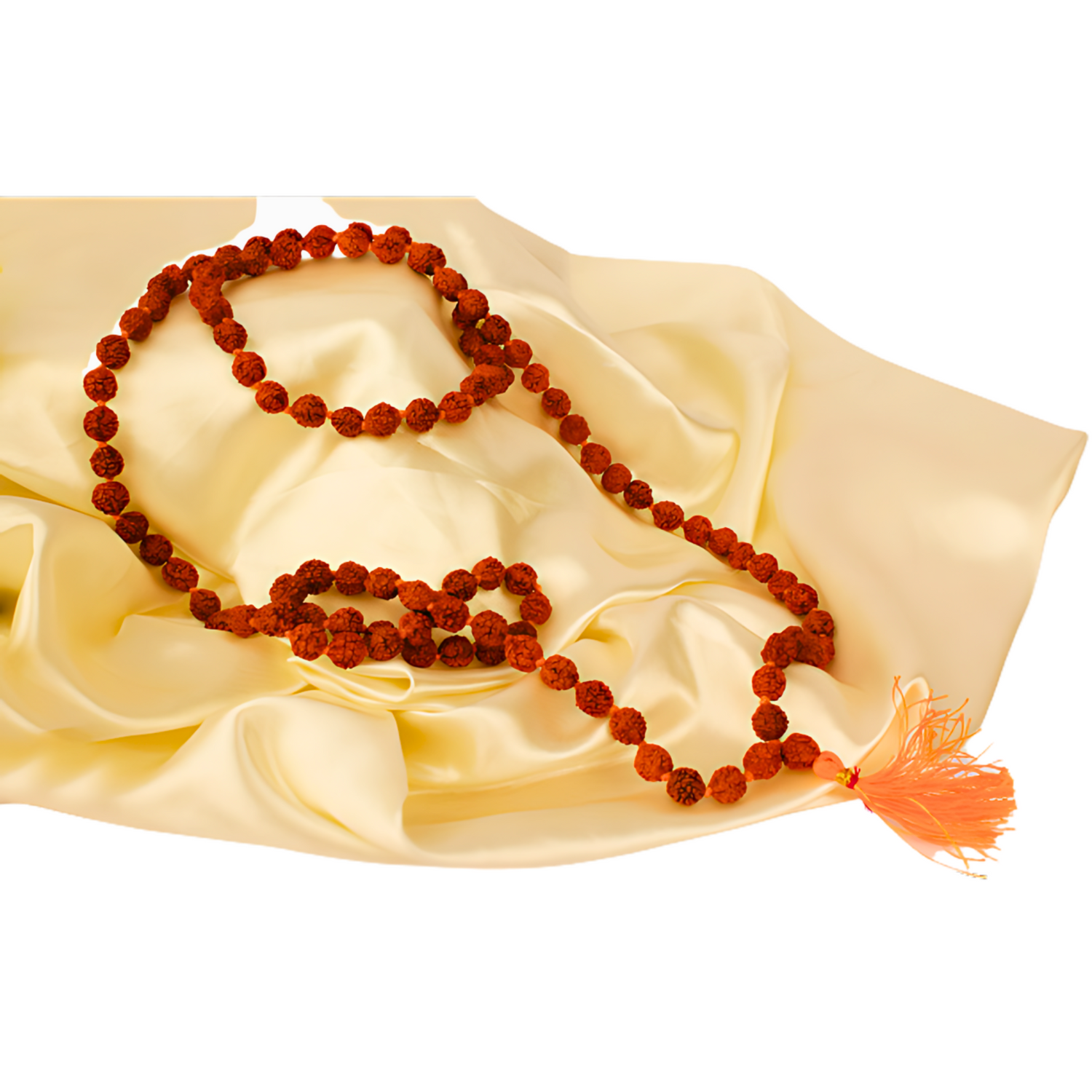
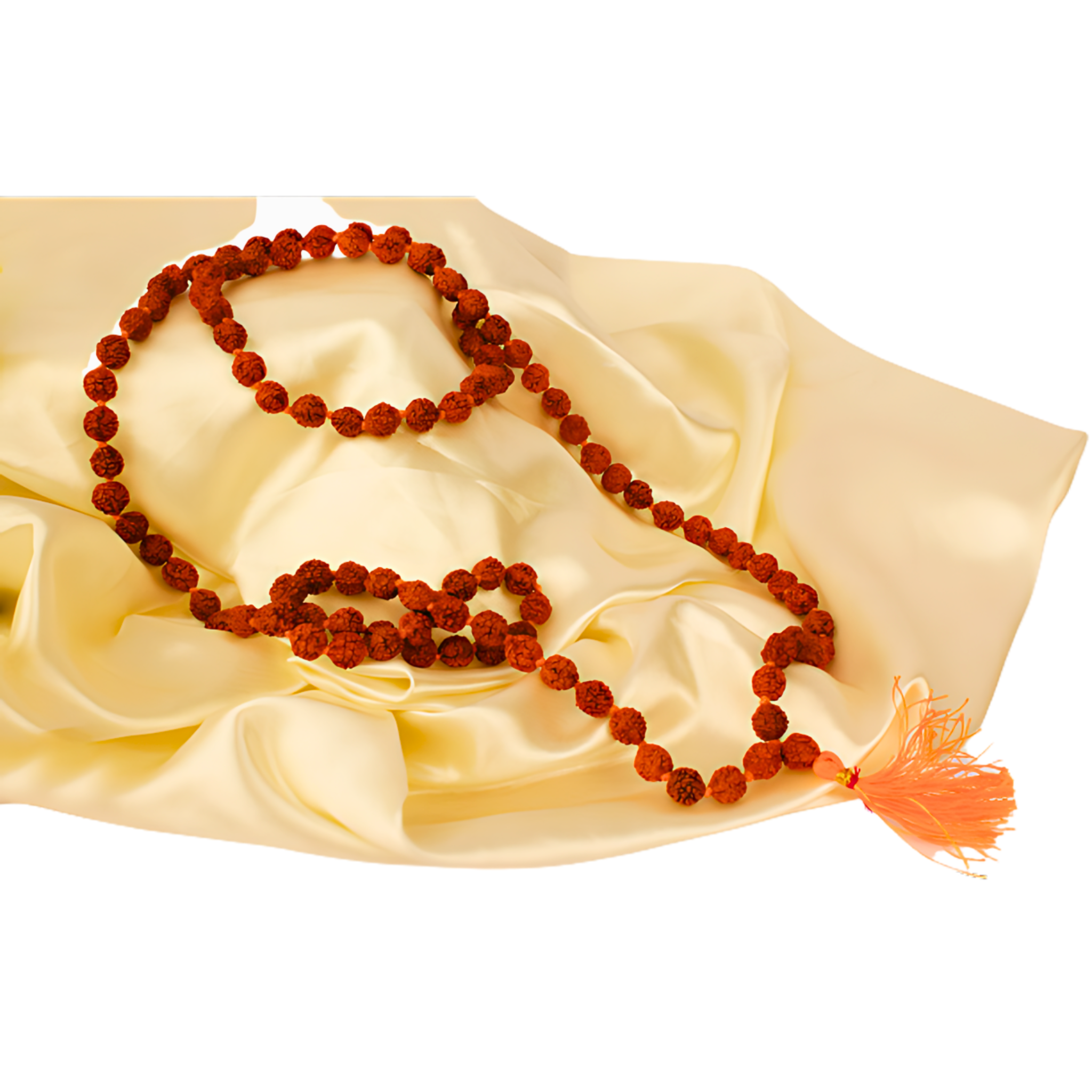
Spiritual companions can also provide support. A mala, incense, a quiet place, certain mantras or spiritual power objects can remind you in everyday life that your inner path does not only consist of thoughts, but of lived orientation. Such impulses have played a role at Spiritbalance for many years. Not as a replacement for inner work, but as a loving reminder of your own path.
If you are looking for support in your process or have questions about your inner change, you can use this Contact form report. Personal exchange can be very valuable, especially in phases of spiritual opening.
When the path inside becomes quieter
Perhaps spiritual awakening is not what many first assume. Maybe it's less a major breakthrough than a quiet defoliation. You don't suddenly become someone else. You are slowly getting closer to what has been true within you for a long time.
You recognize more clearly what no longer belongs to you. You hear the inner voice more clearly. You begin to judge life not only by external successes, but also by internal coherence. For me, this is exactly the beauty of this path.
Spiritual awakening does not automatically make a person perfect. But it can make him more honest. More truthful. Softer. Clearer. And perhaps also more courageous to really follow your own spiritual path.
When your soul quietly knocks on the door, you don't have to have all the answers right away. It's enough if you listen.
Common Questions About Spiritual Awakening
What is Spiritual Awakening?
Spiritual awakening describes an inner process of change in which a person looks at themselves and life more consciously, sensitively and truthfully. It is often accompanied by a search for meaning, inner change and a stronger connection to the soul or inner guidance.
How do you recognize a spiritual awakening?
Possible clues could be inner restlessness, increased intuition, withdrawal, a deeper search for meaning, the visibility of old patterns, synchronicities or the need for silence. These experiences are individual and should not be understood as solid evidence.
What are the signs of spiritual awakening?
Many people describe altered perception, increased sensitivity, a new relationship with truth, a feeling of inner change, spiritual signs, more interest in meditation, energy work or chakras, and a growing longing for a coherent life.
Are there phases to spiritual awakening?
Yes, a process can often be recognized that begins with a shock, leads to a phase of dissolution, then brings reorientation and finally demands embodiment in everyday life. These phases are not the same for everyone.
Can spiritual awakening cause physical symptoms?
Some people report fatigue, more sensitive sleep, strong dreams or increased sensitivity to stimuli during intense internal phases. Such feelings are non-specific and should not be hastily read as spiritual confirmation. If symptoms persist, a professional clarification is advisable.
What to do when you have a spiritual awakening?
Grounding, nature, meditation, writing in a diary, conscious breaks, honest introspection and being mindful of your own limits are helpful. Not everything needs to be explained immediately. It is often more important to remain calm and present.
What is the dark night of the soul?
This describes a phase in which spiritual development feels more like emptiness, uncertainty or inner darkness. Such times can be part of an inner change, but should not be romanticized. It is important to be gentle and grounded when dealing with them.
What role do chakras and energy work play?
For many people, chakras, energy work, the heart, the forehead chakra or topics such as the third eye and pineal gland are part of the spiritual path. They can help to better perceive internal processes. However, they do not replace personal maturity or personal responsibility.
Is spiritual awakening dangerous?
A mindful spiritual path is enriching for many people. It can become problematic when experiences are exaggerated, boundaries are ignored or intense states are pursued without grounding. If a process is putting a lot of strain on you, seek appropriate support.
How long does spiritual awakening take?
There is no fixed answer to this. For some people it is a clearly memorable phase, for others it is a years-long journey in several waves. Spiritual awakening is usually not a one-time event, but rather an ongoing process of awareness and inner maturation.